


Biosecurity Livestock Solutions by Animal Species
Biosecurity livestock programmes work best when hygiene routines match the biology, housing conditions, and disease risks of each species. Hysolv provides farm biosecurity by animal species with structured solutions that support animal health and hygiene solutions across poultry, swine, ruminants, aquaculture, and companion animal facilities.
Our approach combines livestock hygiene products with targeted prevention strategies, helping operations reduce infection pressure, improve daily hygiene consistency, and strengthen long-term performance.
Species-Specific Biosecurity and Hygiene Solutions
Every animal category requires a different hygiene focus—based on housing density, pathogen pressure, water and feed management, and operational workflows. Hysolv supports Biosecurity in Animal Farms through species-specific hygiene concepts that cover:
- cleaning and preparation as the basis for effective disinfection
- targeted disinfection for surfaces, equipment, and high-risk zones
- pest and parasite pressure reduction as part of practical biosecurity
- animal feed additives that support intestinal resilience where relevant
This structure helps farms and facilities implement reliable routines that protect productivity and welfare without relying on one-size-fits-all protocols.
Poultry systems require high-performance hygiene routines to manage red mites, enteric challenges, and fast-moving infection risks across houses and hatcheries. Species-focused programmes support:
- poultry barn sanitation and pathogen reduction
- long-term mite and pest pressure control
- hatchery hygiene and early-life protection
- feed and water hygiene strategies, including targeted animal feed additives
These measures strengthen flock stability across broiler, layer, breeder, and hatchery operations.
Biosecurity in swine production depends on consistent routines that reduce pathogen entry and limit spread between units – especially in high-pressure environments and during critical transitions. Species-focused programmes support:
- structured hygiene barriers for people, equipment, and vehicle access
- high-risk zone management, including ASF-relevant routines
- barn hygiene, disinfection, and parasite pressure reduction
- welfare-oriented hygiene strategies during farrowing, weaning, and regrouping
This approach supports predictable performance and long-term herd resilience.
Ruminant farming requires reliable dairy solutions and hygiene management across dairy, beef, sheep, and goat systems. Species-specific concepts support:
- disinfecting cattle sheds and stable hygiene routines in housing and milking areas
- udder hygiene strategies supporting the prevention of mastitis in cows
- flock hygiene supporting lamb health, including footrot treatment sheep measures
- targeted nutrition, including feed additives for cattle, to support intestinal stability
These programmes strengthen welfare, milk quality, and stable production outcomes across mixed ruminant operations.
Aquaculture hygiene must control microbial pressure while maintaining stable water systems and low-stress production conditions. Species-focused programmes support:
- surface disinfection of tanks, raceways, equipment, and technical components
- water system hygiene and biofilm control in pipes and RAS environments
- structured cleaning as the foundation for effective sanitation
- feed storage protection and indirect risk reduction as part of facility biosecurity
This strengthens water stability, fish health management, and production consistency from hatchery to harvest.
Professional companion animal facilities require hygiene solutions that combine strong efficacy with controlled, animal-safe application. Species-specific programmes support:
- pet safe disinfection in high-contact and high-risk zones
- structured kennel hygiene routines in shared housing environments
- surface-based parasite control to reduce reinfestation risks
- insect and rodent control to protect hygiene standards and facility workflows
These measures support stable hygiene conditions in clinics, shelters, kennels, grooming environments, and multi-animal care facilities.
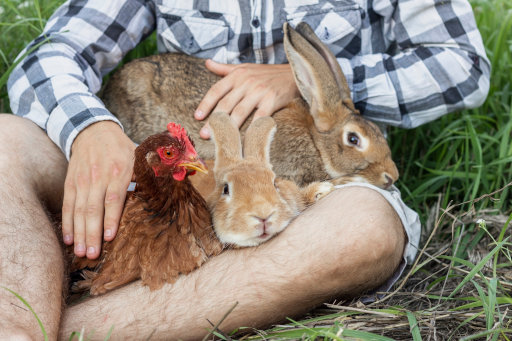
Animal Health and Hygiene Solutions Built on Consistent Principles
While the practical routines differ by species, all Hysolv solutions follow consistent biosecurity principles: repeatability, operational fit, and measurable hygiene outcomes.
By combining structured routines with targeted support measures – including pest management and selected animal feed additives where relevant – operations can build scalable biosecurity livestock strategies across different facility types.
Explore Biosecurity Livestock Solutions by Species
Hysolv provides biosecurity livestock and animal health and hygiene solutions designed to match the specific risks, workflows, and hygiene requirements of different animal species.
By applying hygiene by animal species, farms and facilities can reduce disease pressure, protect animal health, and maintain stable, efficient production across diverse environments.
Discover our species-specific solutions to identify hygiene, disinfection, pest control, and feed additive concepts tailored to your production system.